
The University of Nairobi Strengthens Global Partnerships in Social Work Education between Kenya and Israel
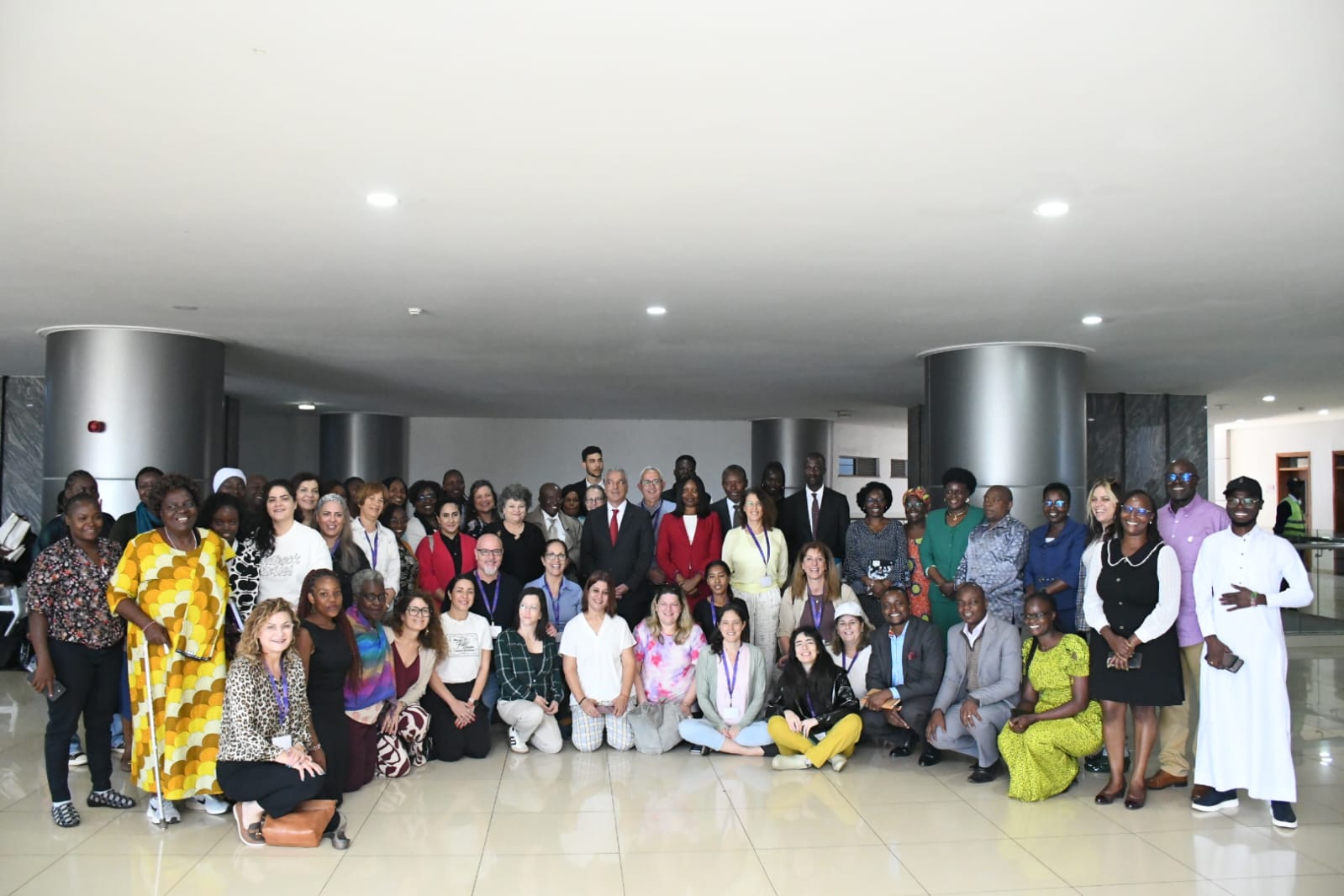
The University of Nairobi Strengthens Global Partnerships in Social Work Education between Kenya and Israel
In an era marked by complex social challenges that transcend globally, a symposium event, held at the University of Nairobi, brought together a collaboration in social work education that is increasingly vital. Recent efforts to strengthen partnerships between Kenya and Israel are highlighting how global cooperation can enhance training, research, and practice in social work, while fostering shared solutions to pressing social issues.
Professor Leonidah Keruboh who represented the Vice chancellor made the opening remarks. Addressing the Kenya-Israel social work symposium, she recognized historical and socio-political contexts that face parallel challenges in areas such as community development, migration, youth unemployment, trauma-informed care, disability services, and social inequality. Recognizing these commonalities, both countries have been building structured partnerships aimed at advancing social work education and practice.
At the center of these collaborations H.E Gideon Behar Ambassador of Israel encouraged academic exchange programs between Kenyan and Israeli institutions offering social work and social development degrees. The Ambassador encouraged the University of Nairobi to bring forth initiatives to enable lecturers to co-teach courses that share practical approaches, and integrate perspectives to help Bridge the gap between theory and practice, ensuring that educational partnerships translate into real-world impact. The Ambassador applauded the Kenya- Israeli collaboration sighting Israeli partners have gained insights from Kenya’s strong community-based and indigenous approaches to social work.
The symposium also featured Israeli Social workers Union, Kenyan social workers Association, social workers students and faculty presenting on community-engaged practice experiences, showcasing how local practice innovations can inform and be informed by international education standards. Mz.Inbal Hermoni from Israeli Social Workers Union shared insights from their own social service systems, particularly in areas such as trauma-informed care and evidence-based interventions. Ms. Lillian Owiti from the department of Sociology, Social work and African Women studies from the University of Nairobi also played a significant role in showcasing how students from both countries can engage directly with different social service systems. Through these interactions, students develop cultural competence, ethical sensitivity, and a deeper understanding of how social work principles are applied across diverse contexts. Such exposure is increasingly seen as essential preparation for graduates entering a globalized workforce.
Professor Gidraph.G.Wairire gave out a keynote presentation on the state of social work Education and practice in Kenya. Professor Gidraph reminded us Research collaboration is another growing pillar of the Kenya–Israel partnership. Underscoring that reliable sources and researchers are producing comparative studies that contribute to global knowledge while informing locally relevant interventions. These collaborations also enhance research capacity, particularly for early-career scholars, through mentorship and shared supervision of postgraduate students.
Professional bodies such as the Kenya National Association of Social workers and Association of Social Work Educators in Kenya engaged in a round table session on Social work legislation efforts. Ms. Tami Meroz, Mr. Noah Sanganyi and Dr.Phylis Muraguri discussed obligations of social work professionals while protecting the rights and well-being of the individuals and communities they serve. The panel outlined duties related to safeguarding vulnerable populations, confidentiality, informed consent, and mandatory reporting of abuse or neglect. By holding social workers accountable through regulatory bodies and disciplinary procedures, social work legislation promotes public trust, professional integrity, and consistent, high-quality service delivery across social welfare, health, and community settings. Legislation typically governs professional registration and licensing, sets standards for education and training, and establishes codes of conduct to ensure competent and ethical practice by facilitating practice-based learning and field placements.
Dr.Kathleen Anangwe concluded reminding us that social problems grow more interconnected, the strengthening of global partnerships in social work education is no longer optional, it is essential. The evolving Kenya–Israel social work connections demonstrate how international collaboration can enrich education, strengthen professional practice, and contribute to more responsive and inclusive social systems. With continued investment and institutional support, these partnerships are poised to play a meaningful role in shaping the future of social work education on a global scale.

